1. Safety check
Before sorting begins, the crew checks for hazards such as sharp objects, pests, mold and unstable piles. Protective gear is chosen to match.
English, IN · Crawford County
Need hoarder cleaning services in English? The cleanup team opens pathways, sets aside papers and valuables, removes spoiled food and pest damage, and disinfects the space. Call (877) 812-4220 to get started.
If anyone is in danger, call 911 first. For a suicide crisis, call or text 988.
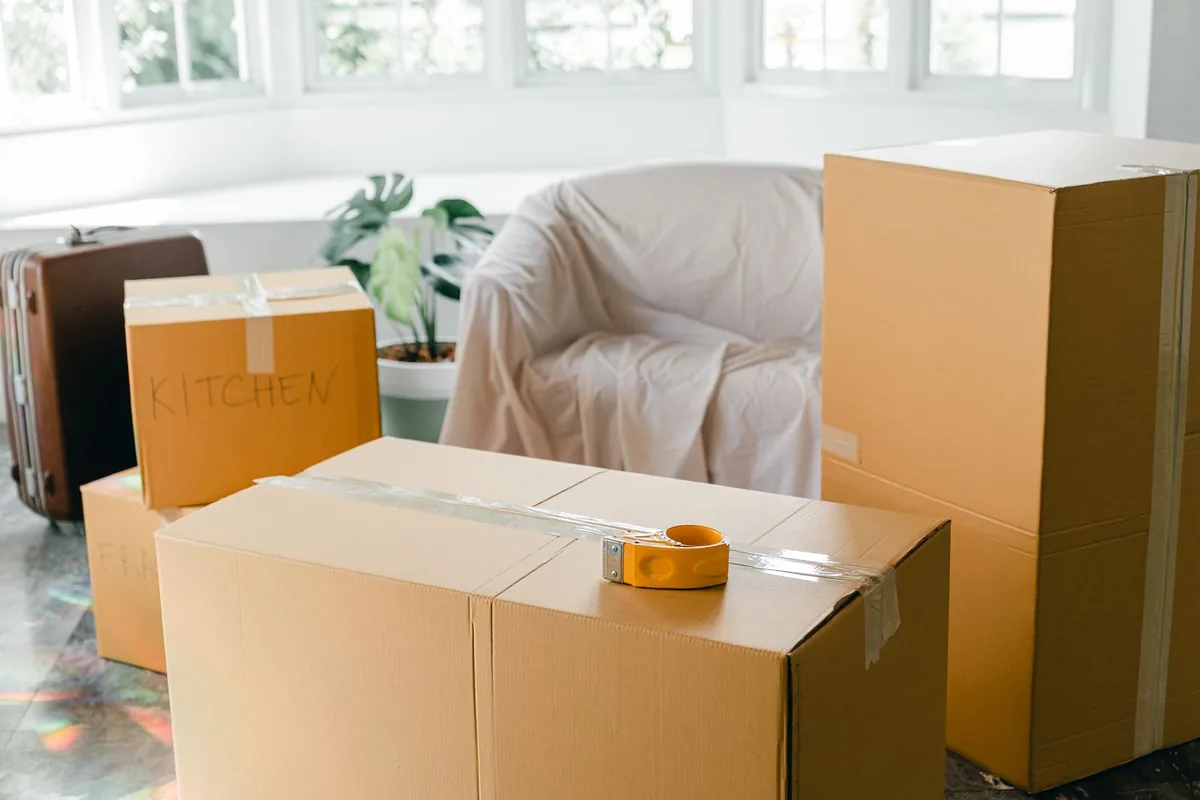
Think of hoarder cleanup services as a mix of organizing, hauling and deep cleaning. The aim is a home with open exits, a working kitchen and bathroom, and surfaces that can be cleaned.
Residents of English and the rest of Crawford County can call English Biohazard Cleanup Help for hoarder house cleaning. You get each step explained in plain words, and the work slows down or pauses whenever the resident asks.
Most homes in Crawford County are owner-occupied, with about 19% rented. Owners and their families usually decide the pace and what stays. With a median build year of 1975 in English, hoarding cleanup often includes checking utilities and flooring before heavy items are moved.
A typical hoarding cleanup job includes:
Before sorting begins, the crew checks for hazards such as sharp objects, pests, mold and unstable piles. Protective gear is chosen to match.
Where possible, the crew meets the resident before work starts. A calm introduction sets the tone for the visit.
Belongings are sorted with the resident. Valuables and papers are set aside, and released items are bagged and hauled away.
Each room is cleaned and disinfected once it is clear. Kitchens and bathrooms get the closest attention.
Hoarding cleanup in English, IN typically costs $500 to $25,000, depending on the size of the affected area and the materials involved.
Deep cleaning, disinfecting and odor treatment add labor beyond sorting and removal. Kitchens and bathrooms usually take the longest to bring back to a clean state.
| Type of job | Typical range |
|---|---|
| Level 1, light | $500 - $1,500 |
| Level 5, severe | $10,000 - $25,000+ |
| Level 2 | $1,000 - $3,000 |
| Level 4 | $5,000 - $15,000 |
Estimates only, not a quote. Sources: Dropcurb, Lifecycle Transitions. Price drivers include level of accumulation, home size, whether exits and rooms are blocked, pests or animal waste. Call (877) 812-4220 to talk through the job.
Avoid calling their belongings trash, saying the home is disgusting or telling them to just throw things out. Never move items without asking. Ask what matters most to them, listen, and offer to help at their pace.
Most often the resident or the property owner pays, and family members sometimes share the cost. In a rental, the lease and local law decide between landlord and tenant. Some local aging services or housing agencies help in some places, so it is worth asking.
Start with safety, then sort, remove and clean in that order. Exits and fire hazards come first, then spoiled food and unsafe items, then deep cleaning of kitchens and bathrooms. The resident decides what stays, and a cleanup team can handle the heavy parts.
A crew with enough people and a clear plan, working room by room. Going fast without the resident's agreement often backfires, though, and the home can fill again. Clearing exits and hazards first is the quickest way to make a real safety difference.
The price depends on the size of the home, the level of buildup, hazards such as pests or mold, disposal, stairs and the pace chosen. The cleanup team sets a price after seeing the home. Be careful with any quote given sight unseen.
There is no single age. Hoarding behaviors can begin early in life and often become more noticeable over time, so many families only seek help later. A doctor can speak to an individual situation.
Describe the home and the team explains how hoarding cleanup usually works.
Call (877) 812-4220